How Habits Influence Long-Term Growth
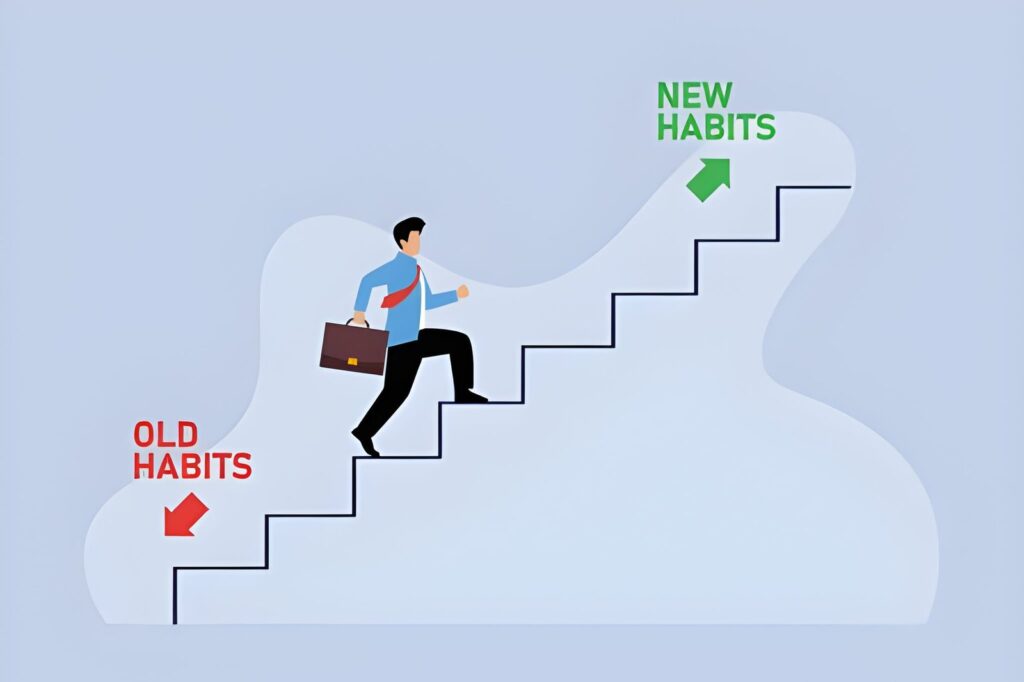
Success is rarely the result of King88 one big decision or a single extraordinary effort. More often, it is built through the small actions people repeat every day. These repeated actions, known as habits, shape the direction of our lives far more than we often realize. Whether someone wants to improve their health, build a successful career, strengthen relationships, or develop new skills, daily habits play a crucial role in achieving those goals. Good habits create a strong foundation for continuous improvement, while unhealthy habits can slow progress and make personal growth more difficult. Understanding how habits influence long-term growth helps people make better choices and create lasting positive change.
What Are Habits?
Habits are behaviors or routines that people perform regularly, often without thinking about them. They develop through repetition and eventually become part of everyday life. Simple actions such as reading before bed, exercising in the morning, saving money each month, or planning daily tasks are examples of positive habits.
On the other hand, habits like procrastination, excessive screen time, or poor time management can limit productivity and prevent people from reaching their full potential.
Because habits are repeated consistently, even small ones can have a significant impact over time.
Small Actions Lead to Big Results
Many people underestimate the power of small daily improvements. Reading just a few pages every day can lead to dozens of books completed in a year. Saving a small amount of money each month can eventually build financial security. Spending a few minutes practicing a new skill daily can lead to impressive expertise over time.
Long-term growth is not usually created by dramatic changes but by steady progress. Each positive habit contributes a small improvement, and these improvements gradually combine to produce meaningful results.
Consistency often matters far more than perfection.
Building Self-Discipline
Developing good habits strengthens self-discipline. Every time people follow through on a commitment, they train themselves to stay focused and responsible. This discipline helps them continue working toward their goals even when motivation decreases.
For example, someone who exercises regularly may not always feel motivated, but the habit itself encourages consistent action. Over time, disciplined habits become automatic, making it easier to maintain progress without relying solely on willpower.
Strong self-discipline creates the stability needed for lasting success.
Supporting Personal Growth
Positive habits encourage continuous learning and self-improvement. Reading regularly, taking online courses, practicing communication skills, or setting aside time for reflection all contribute to personal development.
These habits expand knowledge, improve confidence, and prepare individuals to adapt to changing circumstances. People who make learning a daily habit often discover new opportunities because they are constantly improving their abilities.
Personal growth becomes a natural part of life when positive habits are practiced consistently.
Improving Health and Well-Being
Healthy habits have a lasting impact on both physical and mental well-being. Regular exercise, balanced nutrition, sufficient sleep, and stress management contribute to better energy, stronger focus, and improved overall health.
Even simple habits such as drinking more water, taking short walks, or practicing gratitude can make a noticeable difference over time. Healthy routines not only improve quality of life but also provide the energy needed to pursue personal and professional goals.
Taking care of your health supports every other area of long-term growth.
Increasing Productivity
Productive habits help people make better use of their time and energy. Planning the day, creating to-do lists, prioritizing important tasks, and minimizing distractions all improve efficiency.
Instead of feeling overwhelmed by large responsibilities, individuals with productive habits break work into smaller, manageable steps. This organized approach reduces stress while increasing focus and motivation.
Consistent productivity leads to steady progress and greater confidence in achieving goals.
Replacing Negative Habits
Building positive habits often begins by identifying behaviors that slow personal growth. Habits such as procrastination, excessive social media use, poor financial decisions, or lack of planning can prevent individuals from reaching their full potential.
Replacing one unhealthy habit with a positive alternative is usually more effective than trying to change everything at once. Small improvements made consistently are easier to maintain and often lead to lasting results.
Patience is essential because meaningful habit change takes time and persistence.
Creating Habits That Last
Developing lasting habits requires consistency rather than perfection. Setting realistic goals, starting with small changes, and tracking progress can help new routines become part of everyday life.
Celebrating small achievements keeps motivation high, while accepting occasional setbacks prevents discouragement. Habits become stronger through repetition, so focusing on steady improvement is more valuable than expecting immediate results.
The key is to remain committed even when progress seems slow.
Conclusion
Habits have a powerful influence on long-term growth because they shape the choices people make every day. Positive habits build discipline, improve health, increase productivity, and encourage continuous learning, while negative habits can limit progress and create unnecessary obstacles. The good news is that habits can be changed through consistent effort and patience. By focusing on small daily improvements and staying committed to meaningful routines, anyone can create lasting positive change. Over time, these simple habits become the foundation for personal success, stronger relationships, greater confidence, and a more fulfilling life.
Why Learning Should Never Stop
Many people think education is limited to classrooms, but true learning continues throughout life. Every experience, conversation, book, or challenge teaches us something valuable. Whether someone wants to advance in their career, improve personal relationships, or simply understand the world better, learning plays a key role.
Continuous learning helps individuals remain adaptable. As industries evolve and new tools replace old methods, those who are willing to learn are more likely to succeed. Instead of fearing change, lifelong learners see it as an opportunity to grow.
Keeping Up with a Changing World
Technology has transformed nearly every aspect of daily life. From online banking and digital communication to artificial intelligence and remote work, change happens quickly. People who regularly update their knowledge find it easier to adapt to these developments.
Learning also helps individuals make informed decisions. Understanding current trends, digital tools, and reliable information allows people to navigate modern life with greater confidence and avoid misinformation.
Career Growth Through Learning
Employers increasingly value people who are eager to improve their skills. Continuous learning demonstrates dedication, flexibility, and a willingness to take on new responsibilities. Whether through online courses, workshops, certifications, or self-study, gaining new knowledge can open doors to promotions, career changes, and leadership opportunities.
In many professions, staying updated is essential. Healthcare workers, teachers, engineers, marketers, and countless other professionals need to learn continuously to remain effective in their roles. Even entrepreneurs benefit from learning about business strategies, customer behavior, and emerging technologies.
Building Confidence and Problem-Solving Skills
Learning new things boosts confidence. Every new skill mastered becomes proof that personal growth is possible. This confidence encourages people to face unfamiliar situations with a positive mindset rather than fear.
Continuous learning also strengthens critical thinking and problem-solving abilities. By exploring different ideas and perspectives, individuals become better equipped to analyze situations, make thoughtful decisions, and develop creative solutions to everyday challenges.
Personal Growth Beyond the Workplace
The benefits of learning extend far beyond career success. Reading books, learning a new language, exploring history, practicing creative hobbies, or studying different cultures enriches life in meaningful ways. These activities broaden perspectives, improve communication skills, and encourage empathy toward others.
Learning can also improve mental well-being. Engaging the brain with new knowledge keeps the mind active, reduces boredom, and provides a sense of accomplishment. Many people find joy in discovering new interests that become lifelong passions.
Easy Ways to Make Learning a Daily Habit
Continuous learning does not require spending hours in a classroom. Small daily habits can make a significant difference over time. Reading for just twenty minutes a day, listening to educational podcasts during a commute, watching informative videos, or taking short online courses are all effective ways to learn.
Asking questions, seeking feedback, and staying curious are equally important. Every conversation with an experienced colleague, mentor, or friend can become a valuable learning opportunity. The key is maintaining an open mind and embracing new experiences.
Overcoming Common Barriers
Many people believe they are too busy or too old to learn something new. However, learning does not have an age limit. Even small amounts of consistent effort can lead to meaningful progress. Setting realistic goals and focusing on one skill at a time makes the process enjoyable rather than overwhelming.
Mistakes should also be viewed as part of learning. Every setback provides valuable lessons that help build resilience and improve future performance.
Conclusion
Continuous learning is one of the most valuable investments anyone can make. It empowers people to adapt to change, achieve professional success, build confidence, and enjoy personal growth throughout their lives. In a world Xổ số King88 that never stops evolving, the willingness to keep learning becomes a powerful advantage. By staying curious and embracing new knowledge every day, individuals can unlock their full potential and create a more fulfilling, successful, and meaningful future.